Get Your Home Value →

Southern Utah neighborhoods, told straight.

Six cities. Forty-plus neighborhood guides. The honest local read on each, from a dual-licensed REALTOR and mortgage lender who actually lives here.

6
Cities covered
40+
Neighborhood guides
2
Counties
2,400+
Sq miles served

Why this hub exists

National sites get Southern Utah wrong.

The big portals lump Cedar City, St. George, Hurricane, and everywhere in between under one "Southern Utah" label. That doesn't match how buyers actually move here. A retiree settling into Kayenta in Ivins is making a very different decision than a young family putting down roots in Little Valley in St. George or a builder partner placing a custom home on Old Sorrel Ranch Phase 5 in Cedar City.

Each neighborhood guide on this site is written the way I'd brief a friend over coffee. Real comps. Real builder names. Real tradeoffs. Sources I'd cite if you asked, mostly the Kem C. Gardner Policy Institute for population, the Washington County and Iron County Assessor offices for parcel data, and the Washington County Board of REALTORS MLS for sold data.

Start at the city level below. Each city links into the full neighborhood-by-neighborhood breakdown. If you want to skip the reading and just talk through your situation, my real estate line is (435) 357-4345.

The bigger picture

What makes Southern Utah different from anywhere else.

Before you compare neighborhoods, it helps to understand why people keep moving here in the first place. Six things matter more than the rest.

01

Geography no algorithm captures

The Mojave Desert, the Colorado Plateau, and the Great Basin all meet here. That collision creates red rock canyons, lava beds, and pinyon-juniper forests within a 45-minute drive of each other. Microclimates vary by 15 degrees over short distances. A house in Bloomington sees different weather than a house in Cedar Highlands, even though both have "Utah" addresses.

02

Sustained population in-migration

St. George has placed in the top 10 fastest-growing U.S. metros for most of the past decade. Per the May 2026 Kem C. Gardner Policy Institute report, Washington City led Utah at 4.1 percent year-over-year growth, with Hurricane and Cedar City also in the statewide top 10. Demand fundamentals here look very different from older Western markets.

03

Tax advantage that compounds

Washington County carries the lowest sales tax rate in Utah. St. George City's property tax sits around 0.6584 percent, well below the national median near 0.99 percent. Utah has no estate tax. For retirees and high-equity sellers relocating from California, Oregon, or Washington, the cumulative tax math is a real number worth running.

04

National parks in your backyard

Zion National Park is 45 minutes from St. George. Bryce Canyon is about 90 minutes from Cedar City. Snow Canyon State Park borders Ivins and Santa Clara. Cedar Breaks National Monument sits 25 minutes east of Cedar City. Add Sand Hollow, Quail Creek, Gunlock, and Pine Valley reservoirs and you're looking at a recreation density that rivals Park City without the price tag.

05

Two distinct elevation bands

St. George, Washington, Hurricane, Ivins, and Santa Clara sit between 2,750 and 3,250 feet. Cedar City sits at 5,800 feet, a full mile higher. That elevation gap creates the most important regional distinction: the southern five cities have mild winters and brutal summers; Cedar City has four real seasons including reliable snow. Most buyer mistakes stem from not understanding this split.

06

A diversified local economy

Healthcare anchors the regional economy. Intermountain St. George Regional Hospital is the largest employer in Washington County. Utah Tech University in St. George and Southern Utah University in Cedar City contribute steady educational employment. Tourism, construction, and a growing professional services base round it out. This isn't a one-industry market.

Market data at a glance

How the six cities compare.

A quick orientation to how the six cities sit relative to each other by size, growth, and pricing tier. For the current single-family median, sale-to-list, and days on market in any one city, open that city below for the live market snapshot.

City Relative position Growth signal Elevation
St. George Largest, deepest market, mid-tier pricing +3,303 residents YoY ~2,800 ft
Cedar City Most accessible of the six UT top 10 fastest growing ~5,800 ft
Washington High-volume, value vs St. George +4.1% YoY (UT top 3) ~2,750 ft
Hurricane High-volume, STR-driven pockets UT top 10 fastest growing ~3,250 ft
Ivins Highest-priced, luxury and custom Stable, low inventory ~3,100 ft
Santa Clara Upper-mid, low turnover Stable, low turnover ~2,800 ft

Relative position reflects where each city sits within the Southern Utah market by size and pricing tier, not a fixed price. Growth and demographic estimates are from the Kem C. Gardner Policy Institute (May 2026). For current single-family figures, each city page carries its own live market snapshot from the local Board of REALTORS MLS.

175,000+

Projected Washington County population growth through 2065 per Kem C. Gardner Policy Institute. An 84 percent increase from 2025.

Balanced

Washington County months-of-supply has risen toward a more balanced market than the frenzied 2022 peak, giving buyers more room and sellers a more normal pace.

~30-40%

Share of active St. George inventory currently in new construction. Builder incentives are real and meaningfully change comp analysis.

Pick a city

Six cities, in order of size.

Each card opens the full city sub-index with every neighborhood I've written about there. Featured neighborhoods are my picks for the most representative or in-demand subdivisions, not necessarily the largest.

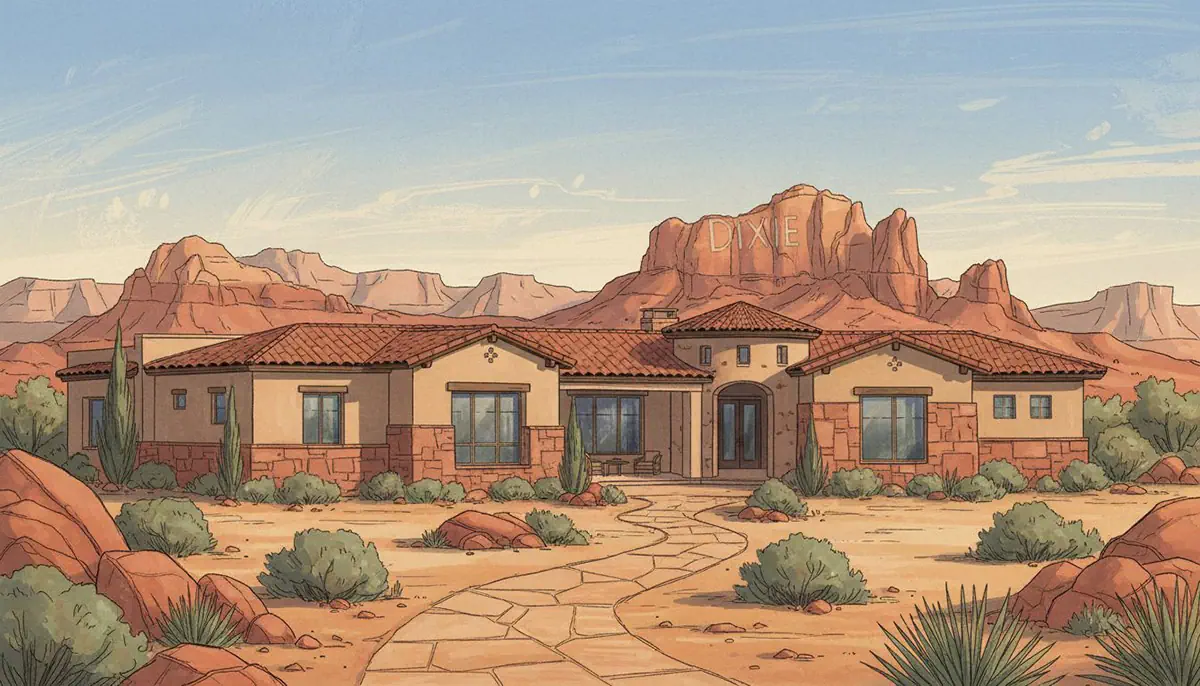
St. George Utah skyline with red rock backdrop
St. George
Largest city in Southern Utah
6 guides

Master-planned communities, golf course frontage, and one of the fastest-growing metros in the country. Demand drivers: weather, healthcare expansion at Intermountain, and Utah Tech University.

Featured neighborhoods
  • Little Valley
  • Bloomington Hills
  • Stone Cliff
  • Desert Color
See all St. George neighborhoods →
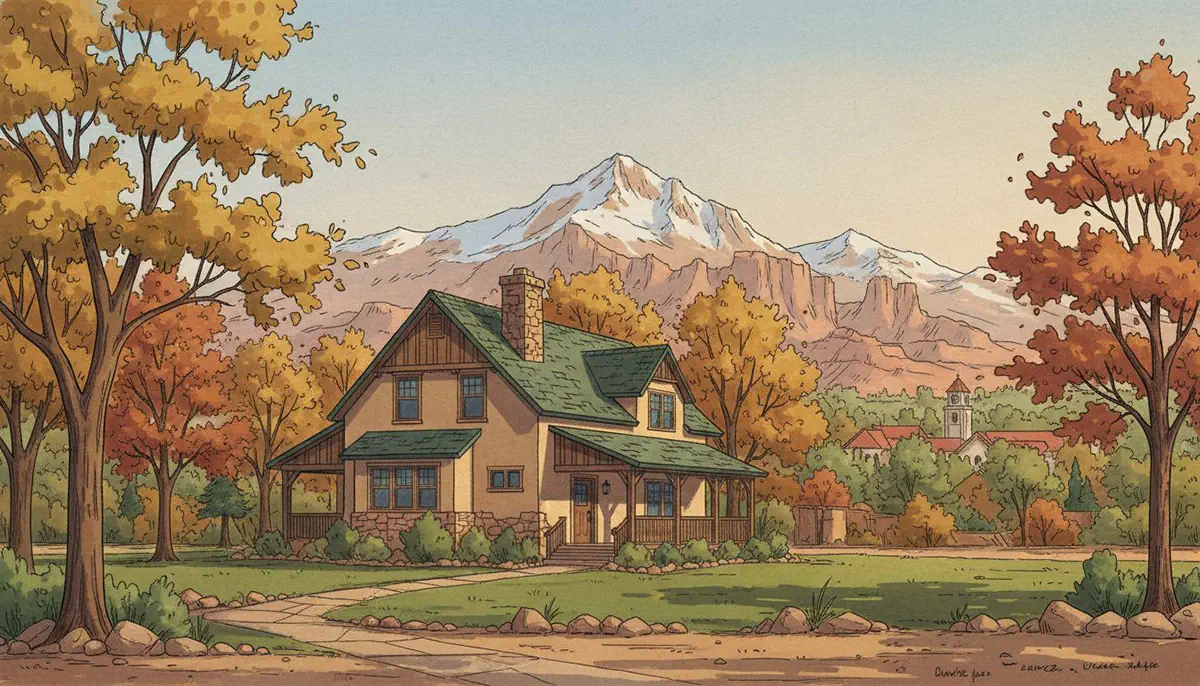
Cedar City Utah neighborhood with mountain views
Cedar City
Festival City, four seasons
15 guides

My home base. SUU, the Utah Shakespeare Festival, and four real seasons at 5,800 feet. Active new construction at Old Sorrel Ranch Phase 5 plus established neighborhoods like Cross Hollow and Cedar Highlands.

Featured neighborhoods
  • Old Sorrel Ranch (Phase 5 new build)
  • Cross Hollow
  • Cedar Highlands
  • Stone Bridge
See all Cedar City neighborhoods →
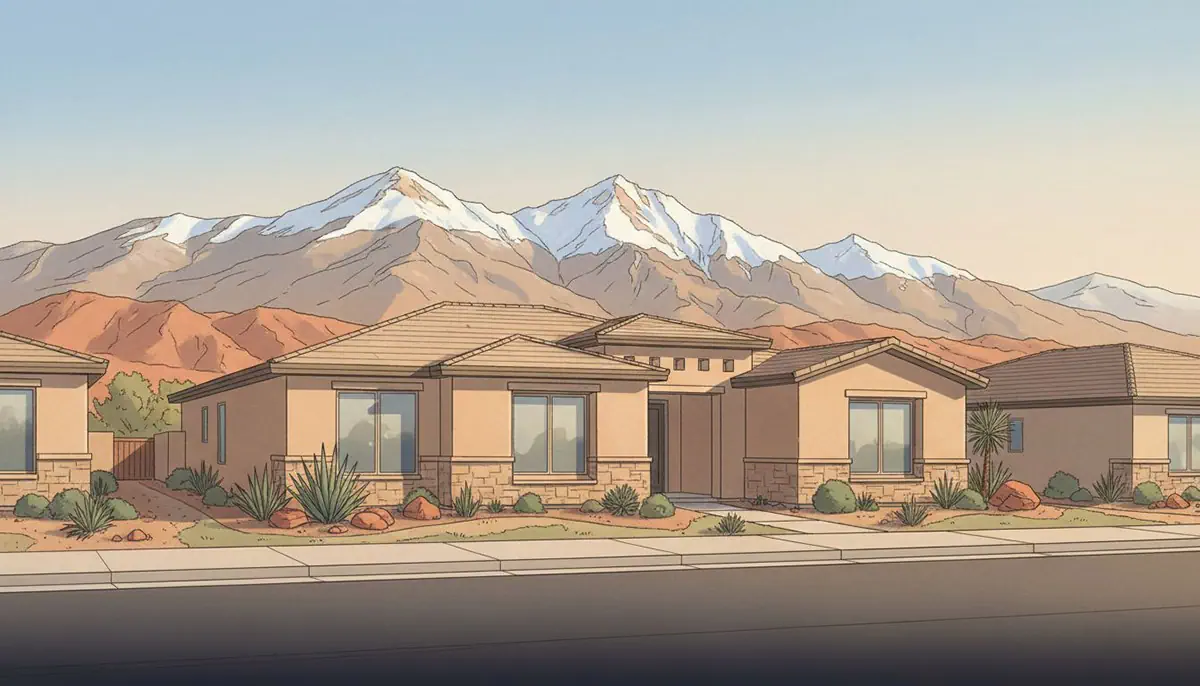
Washington Utah neighborhood near Pine Valley Mountains
Washington
Utah's #3 fastest-growing city
6 guides

Where St. George growth spills east. Coral Canyon, Sienna Hills, and Washington Fields anchor a corridor that grew 4.1 percent in the latest Kem C. Gardner subcounty estimates. Strong primary-residence demand.

Featured neighborhoods
  • Coral Canyon
  • Sienna Hills
  • Washington Fields
  • Stucki Farms
See all Washington neighborhoods →
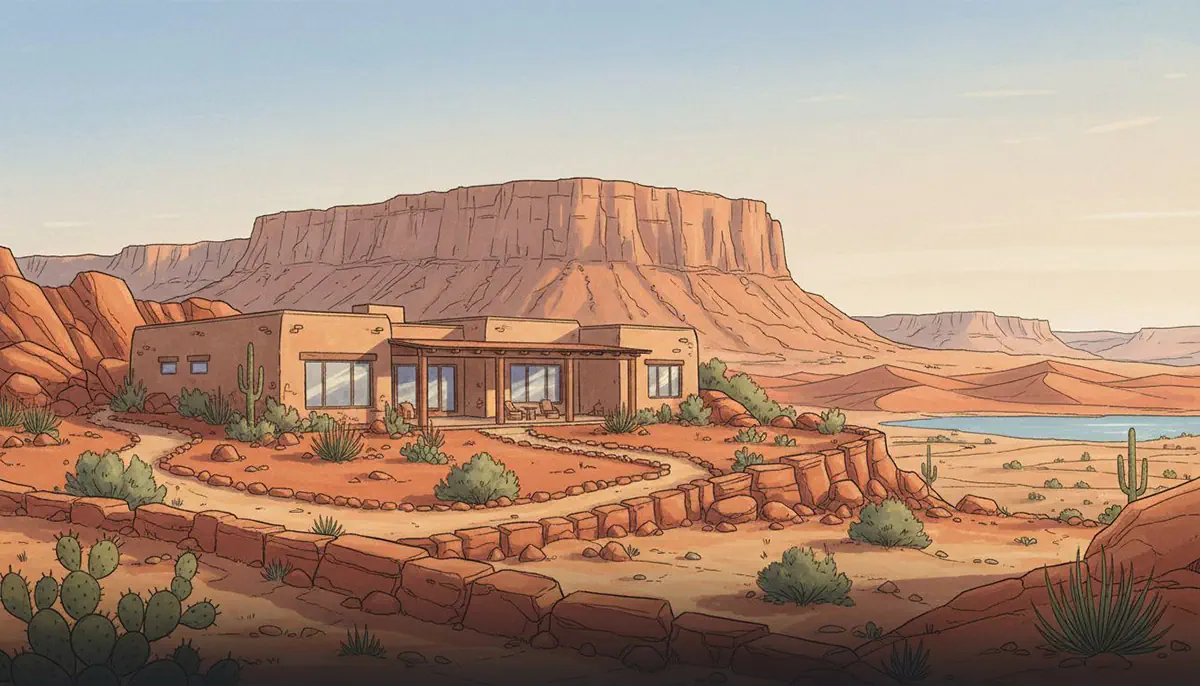
Hurricane Utah with Sand Hollow reservoir views
Hurricane
Sand Hollow gateway, top 10 UT growth
11 guides

One of the fastest-growing cities in the state. Sand Hollow State Park and Zion adjacency drive lifestyle buyers; Sky Mountain and Stucki Farms drive primary-residence growth. Increasingly competitive for new construction lots.

Featured neighborhoods
  • Sand Hollow Resort
  • Sky Mountain
  • Dixie Springs
  • Copper Rock
See all Hurricane neighborhoods →
Ivins Utah at the base of Snow Canyon State Park
Ivins
Snow Canyon, Kayenta, Tuacahn
7 guides

The arts-and-outdoors enclave. Kayenta, Padre Canyon Estates, and Entrada at Snow Canyon. Strong second-home and equity-buyer demand. Short-term rentals generally prohibited; this is a primary or seasonal-residence city.

Featured neighborhoods
  • Kayenta
  • Padre Canyon Estates
  • Entrada at Snow Canyon
  • The Point at Snow Canyon
See all Ivins neighborhoods →
Santa Clara Utah historic main street
Santa Clara
Small-town character, big views
5 guides

Quieter than St. George, more village than Ivins. Heritage main street, the Tonaquint area, and the Gates of Sun River pocket draw buyers who want walkable, lower-density living with red rock at the edge of town.

Featured neighborhoods
  • Tonaquint
  • The Heights at Santa Clara
  • Gates of Sun River
  • Santa Clara Heights
See all Santa Clara neighborhoods →

Neighborhood counts and price ranges are refreshed monthly from MLS data sourced through the Washington County Board of REALTORS. Population rankings via the Kem C. Gardner Policy Institute, University of Utah, May 2026 subcounty estimates.

Deeper city profiles

The unvarnished read on each.

Use the city index on the left to jump. Each profile gives you the buyer mix, where prices actually sit, what's driving demand, and the one or two things national sites consistently miss.

St. George

Washington County seat · ~2,800 ft elevation · +3,303 residents in 2024-2025

St. George is the gravitational center of Southern Utah real estate. The metro added the most residents in absolute numbers of any city in our region in 2024-2025 per the Kem C. Gardner Policy Institute, and St. George has placed in the top 10 fastest-growing U.S. metros for most of the past decade. The buyer mix here is more diverse than any other city on this list, including snowbirds, full-time retirees, healthcare workers tied to Intermountain St. George Regional Hospital, remote professionals, students and faculty at Utah Tech University, and growing families spilling east into Washington and west into Santa Clara.

Neighborhood pricing varies more here than anywhere else in Southern Utah. Bloomington Hills and SunRiver anchor the established mid-tier, while Stone Cliff and The Ledges run to the top of the market for view lots. Little Valley is the family corridor with newer construction. Desert Color is the master-planned newcomer with its own lagoon and amenity center. Entrada at Snow Canyon gets confused for Ivins because the Snow Canyon area is shared between both cities.

The market shifted meaningfully from 2024 into 2026. Median sold price normalized off its 2022 peak, days on market lengthened, and inventory grew. None of that is a crash; it's the market remembering what balanced looks like. Builders make up a large share of active inventory and are offering meaningful rate buydowns and upgrade packages, which changes how I price resale comps for sellers. The St. George page carries the current single-family figures.

What national sites miss: the heat is a real filter. Buyers who don't pressure-test a July visit before closing sometimes regret it. I steer first-timers toward neighborhoods with mature shade like Bloomington and Green Springs over newer raw-graded ones. The other thing they miss is the school district map. Washington County School District boundaries don't always follow what looks intuitive on Google Maps, and the difference between Crimson Cliffs High and Desert Hills High shows up in resale data.

See all St. George neighborhoods →

Cedar City

Iron County seat · ~5,800 ft elevation · Utah top-10 fastest growing city (20,000+)

My home base, and the city I know the best parcel by parcel. Cedar City is genuinely different from St. George. Four real seasons including reliable winter snow, a college-town center anchored by Southern Utah University and the Tony-winning Utah Shakespeare Festival, and a more grounded local economy than the tourism-driven south. Cedar made the Kem C. Gardner Policy Institute's top 10 list for fastest-growing Utah cities with 20,000-plus residents in the May 2026 subcounty release, which surprised some Wasatch Front observers but didn't surprise anyone living here.

Active new construction is concentrated at Old Sorrel Ranch Phase 5, where I'm partnered with builder Alan Caplin of AJ Caplin Custom Homes on the Old Sorrel Heights development. Eighteen lots averaging 0.26 acres, four Westview floor plans from 3,000 to 4,263 square feet. Established neighborhoods worth knowing: Cross Hollow for primary residences with good value per square foot, Cedar Highlands for mountain proximity and lot size, Stone Bridge for newer entry-level, and the Enoch and Parowan satellite areas for buyers who want acreage outside city limits.

Pricing here generally runs well below St. George for comparable square footage, which is the single biggest draw for value-focused buyers, though the gap has been narrowing. Buyers who lock in Old Sorrel or Cross Hollow today look smart in three years if SUU enrollment growth and Festival attendance hold steady, both of which trend up by most measures. The Cedar City page carries the current single-family figures.

What national sites miss: Cedar City has its own micro-cycles tied to SUU's academic calendar and the Festival's summer run (typically late June through October). The right time to list a rental-heavy property near campus is different from the right time to list a family home in Cross Hollow. National algorithms don't see that. The other thing they miss is that the elevation difference from St. George is genuinely consequential. Cedar gets snow. Roofs, HVAC, and driveways need to be specced for winter, and buyers used to St. George product sometimes underestimate the maintenance shift.

See all Cedar City neighborhoods →

Washington

East of St. George · ~2,750 ft elevation · Utah's 3rd fastest-growing city at 4.1% YoY

Washington is where the St. George growth wave landed in the 2010s and 2020s. The Kem C. Gardner Policy Institute placed Washington third in the state for percentage population growth in its May 2026 subcounty report, behind only Saratoga Springs and Eagle Mountain on the Wasatch Front. Coral Canyon led early in the 2000s and 2010s, with Sienna Hills and Stucki Farms picking up the next wave. The buyer here is more often a primary-residence family than a snowbird, which gives Washington a different feel from St. George proper.

Pricing is generally a notch under St. George for comparable square footage, which is what attracts move-up buyers who want more house per dollar. Washington Fields gives larger lots with horse rights in pockets, Sienna Hills delivers production new construction with strong builder warranties (D.R. Horton, Holmes Homes, and others actively building there), and Coral Canyon has the most established resale market with HOA-maintained common areas and a public golf course. Stucki Farms straddles the Washington/Hurricane line, which can confuse buyers comparing comps.

The Washington City portion of Washington County operates under a different city government than St. George, with its own ordinances on STRs, zoning, and HOA approvals. Some new construction in Washington Fields has hit timing delays around water infrastructure, which has occasionally pushed builder closings out by a month or two. Buyers planning a contingent sale need to factor that.

What national sites miss: the commute east-to-west into St. George can be deceptively slow during morning rush. Buyers commuting to St. George Regional Hospital should drive it at 7:45 AM before they commit. The Washington Parkway extension has helped, but the I-15 exits still bottleneck. Algorithm-driven valuations also tend to treat Washington as a discount St. George, which understates how much the neighborhood-by-neighborhood story actually drives price.

See all Washington neighborhoods →

Hurricane

Sand Hollow gateway · ~3,250 ft elevation · Utah top-10 fastest growing city (20,000+)

Hurricane (locally pronounced "Hurr-ih-kin," for the record) is one of the fastest-growing cities on this list by percentage and made the Kem C. Gardner Policy Institute's top 10 list for fastest-growing Utah cities with 20,000-plus residents in the May 2026 subcounty release. Sand Hollow State Park, proximity to Zion National Park's south entrance (45 minutes east), and short-term rental friendliness in pockets like Sand Hollow Resort have made it a magnet for lifestyle buyers and investors alike.

The primary-residence side is real too. Sky Mountain, Dixie Springs, and Stucki Farms (which straddles Hurricane and Washington) are pulling families who want better lot sizes than they'd get in St. George. Copper Rock is the higher-end golf product, where recent custom builds anchor the top of the local market. Active new construction is widespread, with several production builders running consistent inventory along the Highway 9 corridor.

Pricing for primary residences sits in a similar band to Washington, but the STR-zoned product in Sand Hollow Resort trades at a meaningful premium because of the rental cash flow math. A larger home in Sand Hollow Resort can command strong nightly rental rates depending on season, which changes the underwriting completely. Buyers underwriting on rental income need to verify zoning at the parcel level, not at the citywide level.

What national sites miss: not all Hurricane neighborhoods allow STRs. Buyers who assume Sand Hollow rules apply citywide get surprised. The other thing they miss is that Hurricane is genuinely closer to Zion than St. George is. For buyers prioritizing national park access over hospital proximity, the math tilts differently than it does for retirees who want healthcare nearby. La Verkin and Toquerville sit even closer to Zion and can be the right call for some buyers, which is why I publish guides on those communities too.

See all Hurricane neighborhoods →

Ivins

West of St. George · ~3,100 ft elevation · Stable population, low inventory

Ivins is the arts-and-outdoors enclave. It sits at the base of Snow Canyon State Park, hosts Tuacahn Amphitheatre (Broadway productions outdoors under red rock cliffs, May through October), and runs the Huntsman World Senior Games each fall, drawing thousands of athletes ages 50-plus to compete in over 30 sports. The buyer mix here skews older and higher-equity than any other city on this list except parts of Stone Cliff in St. George.

Kayenta is the flagship community, defined by earth-toned architecture, a strict architectural review board, and a no-front-lawn aesthetic that uses native desert landscaping. Padre Canyon Estates trades in horse rights and acreage, with lots from 0.5 to 1-plus acres. Entrada at Snow Canyon offers gated golf course living and gets confused for St. George because the zip code overlaps. The Point at Snow Canyon and Copper Canyon are the more recently developed pockets, with production builders running 3-5 floor plans each.

Ivins runs the highest median price of the six cities, with luxury custom builds in Kayenta or Sentierre Padre Canyon at the very top. Inventory is generally tight, and days on market run longer than most of Southern Utah because buyers shopping here are choosier and the comp set on a custom Kayenta home can be thin. View premium is enormous, and bad photography on a great lot leaves real money on the table. The Ivins page carries the current single-family figures.

What national sites miss: Ivins generally doesn't allow short-term rentals. If you're buying for STR cash flow, this is the wrong city. If you're buying for primary residence, lock-and-leave second home, or arts-and-outdoors lifestyle, it's hard to beat. The other thing they miss is that the Kayenta HOA is genuinely consequential. Buyers comparing a Kayenta home to a Cedar Highlands home on price-per-square-foot are missing about half the story; the HOA in Kayenta enforces an aesthetic and a build quality that holds resale value in ways no spreadsheet captures.

See all Ivins neighborhoods →

Santa Clara

West of St. George, north of Ivins · ~2,800 ft elevation · Stable, low-turnover market

Santa Clara is the quietest of the six. A historic Swiss-pioneer downtown founded in 1854, a walkable village feel along Santa Clara Drive, and a price point that often runs between St. George and Ivins. Heritage matters here in a way it doesn't in newer growth corridors. The annual Santa Clara Swiss Days festival in September pulls thousands of visitors and reinforces the community identity in a way most suburbs can't match.

Tonaquint straddles the Santa Clara/St. George line and gets shopped by both audiences. The Heights at Santa Clara offers newer construction on the hill with views toward Snow Canyon. Gates of Sun River sits at the south end with HOA amenities and a strong age-targeted buyer base. Established Santa Clara Heights anchors the long-time-resident pocket with mature landscaping and lots of original 1970s and 1980s product that's been substantially renovated. The Lava Flow Drive corridor offers some of the most distinctive lava-bed-meets-red-rock scenery in the county.

Pricing for established resale sits in the upper-mid tier of the region, with newer hillside product reaching higher. Turnover is lower here than in faster-growth cities, partly because residents tend to stay long-term. Custom and semi-custom new construction happens infill rather than in large subdivisions, which means buyers shopping for a new build often need patience and a willingness to consider a lot purchase plus a build.

What national sites miss: Santa Clara feels small even though it's right next to St. George. Buyers who want a town identity, slower traffic, and walkable amenities trade some new-build inventory for that, and the people who do it are rarely sorry. The other thing they miss is that the Santa Clara/Ivins boundary line affects schools, water, and city services in ways that show up in resale, even when houses on adjacent streets look identical. I always check parcel-level jurisdiction before pricing.

See all Santa Clara neighborhoods →

Which city is right for you

A decision matrix by buyer type.

After 15-plus years working Southern Utah, certain buyer profiles consistently fit certain cities. This isn't a rulebook, but it's a useful starting frame.

Persona 01

The Move-Up Family

Currently in a 1,500-2,000 sq ft starter home, ready for a yard, more bedrooms, and better schools. Often two working parents, 1-3 kids, dog. Wants room to grow and a community where neighbors know each other.

Best fits

Little Valley (St. George), Washington Fields (Washington), Cross Hollow (Cedar City), Sky Mountain (Hurricane), Stucki Farms (Washington/Hurricane).

Persona 02

The Right-Sizing Retiree

Sold the larger family home, kids are grown, looking for single-level living, low maintenance, lock-and-leave reliability. Wants to walk to coffee, drive to a hiking trail, and never shovel snow again. High equity, often paying cash or close to it.

Best fits

Kayenta (Ivins), Entrada at Snow Canyon (Ivins), SunRiver (St. George, age 55+), Bloomington Country Club (St. George), Gates of Sun River (Santa Clara).

Persona 03

The New Construction Buyer

Wants a brand-new home, builder warranty, modern floor plan, and the ability to pick finishes. Sometimes relocating from out of state, sometimes upgrading from older local product. Comfortable with a 6-12 month timeline.

Best fits

Old Sorrel Heights at Old Sorrel Ranch Phase 5 (Cedar City), Desert Color (St. George), Sienna Hills (Washington), Copper Rock (Hurricane), The Point at Snow Canyon (Ivins).

Persona 04

The Lifestyle / Second-Home Buyer

Has a primary residence elsewhere (often California, Oregon, Washington, Idaho, or the Wasatch Front). Wants a winter escape, a national park base camp, or a Zion-and-Sand Hollow lifestyle property. May or may not want STR cash flow.

Best fits

Sand Hollow Resort (Hurricane, STR-friendly), Stone Cliff (St. George, gated luxury), Padre Canyon Estates (Ivins, acreage), Coral Canyon (Washington, golf course).

Persona 05

The University-Adjacent Buyer

Buying for a student attending Southern Utah University or Utah Tech, often as a parent-owned investment with rental capacity. Or a faculty/staff buyer relocating for the job. Wants proximity to campus and reasonable rental demand.

Best fits

Cedar City neighborhoods within 1 mile of SUU campus, Stone Bridge (Cedar City), St. George neighborhoods within 2 miles of Utah Tech, older Bloomington product.

Persona 06

The Acreage Buyer

Wants horses, a workshop, an RV pad, or just elbow room. Often selling a smaller-lot property in Salt Lake County, California, or Las Vegas to upgrade lot size dramatically. Wants no-HOA or low-HOA flexibility.

Best fits

Washington Fields (Washington), Padre Canyon Estates (Ivins), Enoch and Parowan (Cedar City satellite), select Hurricane parcels along Highway 9.

New construction landscape

Where the builders are actually building in 2026.

New construction makes up roughly 30 to 40 percent of active St. George metro inventory. Builders are running aggressive rate buydowns and upgrade incentives, which changes the math on resale comps. Here's where the action is.

Flagship
Old Sorrel Heights
Cedar City

Phase 5 of Old Sorrel Ranch in Cedar City. Eighteen lots averaging 0.26 acres. Four Westview floor plans from 3,000 to 4,263 sq ft. I'm the listing-side partner with builder Alan Caplin of AJ Caplin Custom Homes, which means I can walk you through lot premiums, floor plan tradeoffs, and the construction draw schedule firsthand. Strongest fit: families and move-up buyers wanting modern construction in Cedar City's most active new build community.

Visit OldSorrelHeights.com →
Master-planned
Desert Color
St. George

The most ambitious master-planned development in Washington County. Lagoon, parks, walking trails, multiple builders. Strong amenity package, with the tradeoff of larger HOA dues and more rules. Strongest fit: relocating families and lifestyle buyers who want everything inside the gates.

Production
Sienna Hills
Washington

Active production new construction along the Washington Parkway corridor. Multiple national and regional builders. Strong warranty packages. Strongest fit: primary-residence move-up families who want a new home without custom timelines or premium pricing.

Golf course
Copper Rock
Hurricane

Higher-end semi-custom and custom new builds along the Copper Rock golf course in Hurricane, where view-lot custom product anchors the top of the local market. Strongest fit: lifestyle buyers and luxury second-home buyers who want golf, mountain views, and Zion proximity.

STR-friendly
Sand Hollow Resort
Hurricane

Active new construction at the Sand Hollow Resort area, with short-term rental zoning in approved parcels. Strongest fit: investors and lifestyle buyers underwriting on Vrbo/Airbnb cash flow. Verify parcel-level STR eligibility before writing.

Production
The Point at Snow Canyon
Ivins

Active production new construction in Ivins with views of Snow Canyon State Park. More accessible price point than Kayenta with a similar lifestyle. Strongest fit: lifestyle buyers and right-sizing retirees who want Ivins without the Kayenta HOA review board.

Builder mix, pricing, and incentive packages change quarterly. I track active inventory across all six cities and can pull current builder availability and incentives for any specific community on request. Mortgage financing for new construction is one of my specialties through Guild Mortgage (NMLS 1794818); see DidYouKnow.Mortgage for the coordinator-model framing on new build purchase loans.

Climate & lifestyle

Six cities, two very different climates.

The single biggest mistake out-of-state buyers make is treating Southern Utah as one climate. It isn't. The elevation split between Cedar City and the five southern cities creates two genuinely different lifestyles.

City Summer high Winter low Snow days/yr Sunny days/yr
St. George ~104°F ~32°F ~3 ~255
Cedar City ~87°F ~17°F ~30 ~245
Washington ~103°F ~31°F ~3 ~255
Hurricane ~101°F ~28°F ~5 ~250
Ivins ~102°F ~30°F ~4 ~255
Santa Clara ~103°F ~30°F ~4 ~255

Climate averages drawn from NOAA station data for St. George, Cedar City Regional Airport, and surrounding stations. Snow day counts reflect days with measurable accumulation. The southern five cities essentially share a climate; Cedar City's elevation puts it in a meaningfully different band. This is the single most important regional distinction for out-of-state buyers to understand before choosing a city.

If you don't want snow

St. George, Washington, Hurricane, Ivins, and Santa Clara average 3 to 5 snow days per year, and accumulation rarely sticks past mid-morning. If you're escaping winters in Idaho, Wasatch Front Utah, or Pacific Northwest, the southern five cities are your zone.

If you want four seasons

Cedar City averages 30-plus snow days per year and reliable winter weather. Brian Head Ski Resort is 30 minutes east. If you want skiing, real autumn color, and summers that don't crack 90, Cedar is your fit. Heating costs and roof maintenance run higher.

Schools & education

Two school districts, two universities, and a growing charter scene.

Education matters in family pricing more than any other factor in Southern Utah. School district boundaries can change resale value by tens of thousands of dollars on otherwise identical houses. Here's the regional landscape at a glance.

Washington County School District

Serving St. George, Washington, Hurricane, Ivins, Santa Clara

One of Utah's largest districts by area, with elementary, middle, and high school boundaries that don't always follow what looks intuitive on a map. Dixie High, Pine View High, Snow Canyon High, Desert Hills High, Crimson Cliffs High, and Hurricane High anchor the high school feeder system, with several charter alternatives.

Specific neighborhood guides on this site flag the high school feeder for each subdivision, because parents shopping for a particular school zone need clarity at the parcel level.

Iron County School District

Serving Cedar City, Enoch, Parowan, surrounding

Smaller district, anchored by Cedar High and Canyon View High at the secondary level. South Sevier and Parowan high schools handle satellite communities. Multiple charter options including Gateway Preparatory Academy.

Cedar City's school zone boundaries are simpler than Washington County's because the city is smaller and more concentrated, but the Enoch/Parowan choice can affect commute substantially.

Utah Tech University

St. George · ~13,000 students

Formerly Dixie State University, renamed in 2022. Polytechnic university with strong programs in healthcare, business, and trades. Drives rental demand in older neighborhoods within 2 miles of campus and influences employment growth across St. George.

Southern Utah University

Cedar City · ~14,000 students

Liberal arts university with growing graduate programs. Anchors the Utah Shakespeare Festival each summer. Drives meaningful seasonal economic activity in Cedar City. Affects rental cycles in neighborhoods within 1 mile of campus and faculty home-buying patterns across the city.

Recreation & lifestyle

National parks, state parks, and reservoirs within an hour.

Recreation density is part of what drives in-migration to Southern Utah. The list below covers what's within roughly an hour of the six cities. Distance matters in pricing; a Hurricane home that's 30 minutes from Zion trades differently than a St. George home that's 50 minutes away.

Zion National Park

45 minutes from St. George, 30 minutes from Hurricane. 5 million annual visitors. The single biggest driver of lifestyle real estate demand in our region.

Bryce Canyon National Park

About 90 minutes from Cedar City. Hoodoos, dark skies, snowshoeing in winter. A meaningful day trip from anywhere in Iron County.

Snow Canyon State Park

10 minutes from Ivins, Santa Clara, and St. George. Red rock, lava tubes, sand dunes, slot canyons. Free for residents during off-peak windows.

Cedar Breaks National Monument

25 minutes from Cedar City at 10,000+ feet elevation. A natural amphitheater of red, orange, and yellow rock. Summer wildflowers, winter snowshoeing.

Sand Hollow State Park

Adjacent to Hurricane. Boating, ATV/UTV dunes, paddleboarding. The most-used reservoir in Washington County and the anchor of Hurricane's STR market.

Quail Creek State Park

15 minutes from Hurricane and Washington. Smaller and quieter than Sand Hollow. Fishing, boating, year-round water sports.

Brian Head Ski Resort

30 minutes east of Cedar City. Utah's highest base elevation ski resort at 9,600 feet. Family-friendly, less crowded than Wasatch Front resorts.

Pine Valley Mountain Wilderness

40 minutes north of St. George. Cooler summer climate, hiking, fishing, and the Pine Valley Chapel (Utah's oldest LDS chapel still in continuous use).

Gunlock Reservoir

25 minutes northwest of Santa Clara. Spring waterfalls, fishing, and a quieter alternative to Sand Hollow. Famous for waterfalls during high snowmelt years.

Tuacahn Amphitheatre

5 minutes from Ivins. Broadway productions under red rock cliffs, May through October. A genuine cultural anchor for Ivins property demand.

Utah Shakespeare Festival

Cedar City, on the SUU campus. Tony Award-winning regional theater. Late June through October. Drives meaningful seasonal demand for Cedar City rentals and second homes.

Huntsman World Senior Games

October in St. George and surrounding cities. 11,000-plus athletes age 50-plus competing in 30-plus sports. Anchors Ivins' arts-and-athletics buyer profile.

Local economy

What pays the mortgages here.

Southern Utah's economy used to be more concentrated than it is today. Twenty years ago, tourism and small-scale construction dominated. The last decade has changed that meaningfully. Healthcare expansion at Intermountain St. George Regional Hospital (the largest employer in Washington County) and the Cedar City Hospital network has built a stable professional employment base. Utah Tech University and Southern Utah University contribute steady educational employment plus the seasonal economic activity of student populations.

Construction and trades remain a major employer, sustained by the in-migration that drives our housing market. Hospitality and tourism still matter, particularly around Zion and Sand Hollow. What's newer is the growth of professional services, remote work, and small-scale manufacturing, the result of better fiber internet, more attractive tax treatment, and the willingness of California and Pacific Northwest professionals to relocate.

For sellers, the diversified economy matters because it means our housing demand isn't tied to one industry's fortunes. For buyers, it means the lifestyle case for relocating no longer requires a remote-work setup; there are real jobs here, particularly in healthcare, education, construction, and increasingly in tech-adjacent professional services.

The Kem C. Gardner Policy Institute's long-term projections call for healthcare, professional services, finance, and construction to lead Utah's growth through 2065. Washington County and Iron County are positioned to benefit from each of those, though the institute revised its 2065 Washington County projection downward in 2025 (from 155 percent growth to 84 percent growth from 2025), which is a useful sanity check for anyone underwriting a long-hold investment thesis.

My approach

What it takes to sell Southern Utah well.

Most agents serve one or two of the six cities. A handful serve all six. The work is genuinely different than selling Wasatch Front or Vegas suburbs. Here's how I think about it.

1. Pricing has to be neighborhood-specific, not citywide

A St. George median tells you almost nothing about a specific home. Stone Cliff and SunRiver are both St. George; they share zero buyer overlap and trade at completely different multiples. I price every listing using comps pulled from the actual subdivision plus adjustments for view, lot premium, build year, and condition. Every listing presentation I give shows the comp set explicitly, with sources.

2. Marketing has to find out-of-state buyers

Roughly half of Southern Utah buyer demand comes from out of state. California, Washington, Oregon, Idaho, and Nevada are our biggest origin states. A listing that only markets to local MLS misses the buyers most willing to pay full asking. I run a hub-and-spoke marketing structure across ScottBuehler.com, MovingUtah.com (a relocation resource that pulls organic search traffic from out-of-state movers), targeted social, and direct relationships with relocation agents in major origin metros.

3. New construction comp analysis is its own skill

With builders making up a large share of active inventory, ignoring builder incentives in resale pricing is malpractice. A builder home with an aggressive rate buydown competes against nearby resale on effective monthly payment, not sticker price, so a resale priced at the same number can actually be the more expensive home in the buyer's mind. I track builder incentive packages across all six cities and adjust my comp analysis accordingly. Most algorithmic valuations don't.

4. The lender side matters more than people realize

I'm dual-licensed as a REALTOR (Real Broker, LLC) and a Mortgage Loan Originator (Guild Mortgage, NMLS 1794818). On listings, I act as the listing agent. On purchases, I typically act as the mortgage lender and refer a trusted buyer agent to represent you. This coordinator model reduces the friction between the real estate side and the financing side of a transaction, and it's particularly useful on contingent sales, new construction purchases, and out-of-state buyer scenarios. It also gives me unusually direct insight into pre-approved buyer demand in any given price band.

5. Local matters and I actually live here

I'm a long-time Cedar City resident. My partner Tammy Buehler and I are partnered with builder Alan Caplin on the Old Sorrel Ranch Phase 5 development. My kids' soccer games happen on the same fields as my clients' kids. The work of selling Southern Utah well depends on knowing which builder cuts corners, which HOA board is functional, which neighborhood is about to get a new water line that'll matter at resale, and which agent across town actually returns calls. That's not learnable from out of state, and it's the work I do every day.

Free valuation

What's your home actually worth in this market?

Algorithms hate Southern Utah. View premiums, lot premiums, HOA quirks, and neighborhood reputation skew estimates here more than almost anywhere else in the country. Get a number that factors in actual comps from the right neighborhood, not the wrong one a mile away.

  • Comp set pulled from your specific subdivision
  • Adjustments for view, lot, upgrades, condition, and builder incentive context
  • Reviewed personally, returned within one business day
  • No spam, no list, no obligation

Start here

A 60-second questionnaire. I'll review it personally and send your number within one business day.

Start free valuation →

Scott Buehler · Real Broker, LLC · (435) 357-4345

FAQ

Common questions about Southern Utah neighborhoods.

Which Southern Utah cities do you cover?+

St. George, Cedar City, Washington, Hurricane, Ivins, and Santa Clara, the six largest cities in the region by population per the Kem C. Gardner Policy Institute. St. George anchors Washington County in the south. Cedar City anchors Iron County to the north. The other four sit in Washington County.

How is Cedar City different from St. George?+

Cedar City sits about 5,800 feet elevation with four real seasons and a university town anchored by Southern Utah University and the Utah Shakespeare Festival. St. George sits closer to 2,800 feet with milder winters, larger and older neighborhoods, and stronger second-home and retirement demand. The buyer profiles in each city are very different.

Which neighborhood is right for new construction?+

It depends on city and floor plan. In Cedar City, Old Sorrel Ranch Phase 5 (Old Sorrel Heights) is an active new build community where I partner with builder Alan Caplin of AJ Caplin Custom Homes. In St. George and Washington, Desert Color, Sienna Hills, and Coral Canyon have ongoing new construction. In Hurricane, Sand Hollow Resort and Copper Rock anchor higher-end builds. I can walk you through tradeoffs on builder choice, lot premium, and timeline.

Do you list homes in all six cities?+

Yes. I list across all six cities as a Real Broker, LLC agent. The combined Washington County and Iron County footprint is where my marketing, network, and local knowledge are strongest. Most of my listings sit within a 90-minute drive of Cedar City.

Can I get a free home valuation for any neighborhood?+

Yes. Every neighborhood page on this site has a valuation form contextualized to that subdivision. The data feeding it comes from MLS solds in your specific neighborhood, not citywide averages. You can start one from this hub or from any city or neighborhood page.

What is the median home price in Southern Utah?+

It depends entirely on city and neighborhood. Cedar City is the most accessible of the six, St. George and Washington sit in the mid-tier with the deepest volume, and Ivins runs the highest, with high-end St. George neighborhoods like Stone Cliff well above any citywide median. Each city page carries its current single-family figures from the local Board of REALTORS MLS.

Which Southern Utah city is growing fastest?+

Washington City led Southern Utah at 4.1 percent population growth between mid-2024 and mid-2025, per the Kem C. Gardner Policy Institute. Hurricane and Cedar City also made the statewide top 10 for fastest-growing cities of 20,000-plus residents. St. George added the most residents in absolute numbers.

Are short-term rentals allowed in Southern Utah?+

It depends on the city and specific neighborhood. Sand Hollow Resort in Hurricane and pockets of St. George allow them by zoning. Ivins generally does not. Cedar City has neighborhood-level rules. Never assume citywide policy applies to a specific parcel. I verify zoning at the parcel level for every buyer who underwrites on rental income.

Do I need a separate real estate agent and lender?+

Not always. I hold both a Utah real estate license under Real Broker, LLC and a Mortgage Loan Originator license under Guild Mortgage (NMLS 1794818). On listings, I act as the listing agent. On purchases, I typically act as your mortgage lender and refer a trusted buyer agent to represent you on the real estate side. I never act as a dual agent on the same purchase transaction.

How long do homes typically take to sell here?+

It varies by city and price point, and the pace has normalized from the unusually fast 2022 to 2023 market across the region. Cedar City typically runs faster for primary-residence price points and slower for high-end mountain product. Specific neighborhood DOM varies widely. Stone Cliff luxury can sit much longer; Little Valley family product moves in 30.

What is the best time of year to sell in Southern Utah?+

February through May is the strongest selling window in Washington County, driven by snowbird visitors and pre-summer relocation buyers. Cedar City peaks slightly later, late spring through early fall, because winter snow filters out casual buyer tours. Listing in November through January is generally a price-disadvantaged window unless your neighborhood targets year-round retirees.

Why does location matter so much in Southern Utah pricing?+

Three reasons. First, view premium is real. A red rock view lot can add 20 to 40 percent over the same plan on an interior lot. Second, HOA structure varies dramatically from no-HOA Cedar City pockets to highly regulated Kayenta. Third, microclimate matters more than people think. A house with western exposure in Bloomington Hills can run 8 degrees hotter in summer than the same plan with eastern exposure 200 yards away. National pricing algorithms miss all three.

Ready to talk?

Pick a neighborhood. I'll tell you what it's really like.

No pitch. Just a straight conversation about the city, the subdivision, and what the comps actually say.